I model the system before the UI.
I map roles, permissions, rules, data, and states, and validate them with product and engineering before drawing a single screen.
COMPLEX PRODUCT DESIGN · SERVICE 03
I model roles, rules, and data before the UI, simplify the critical flows, and leave a design system engineering can implement without reinterpreting.
Leandro Balbian · Growth Product Manager & Product Designer · 8 years in B2B SaaS and marketplaces
02 / THE PROBLEM
Every new feature solved something, but it also added screens, options, and exceptions. Now the business feels it: users ask for help with the basics, get less out of the product than it offers, and every change costs your team more.
THE PRINCIPLE
A product can be complex without being complicated.
03 / HOW I DO IT
I map roles, permissions, rules, data, and states, and validate them with product and engineering before drawing a single screen.
I redesign critical tasks to cut steps, decisions, and errors, and test them in a prototype before they're built.
I consolidate components, tokens, and specs so every new feature is built on the same patterns.
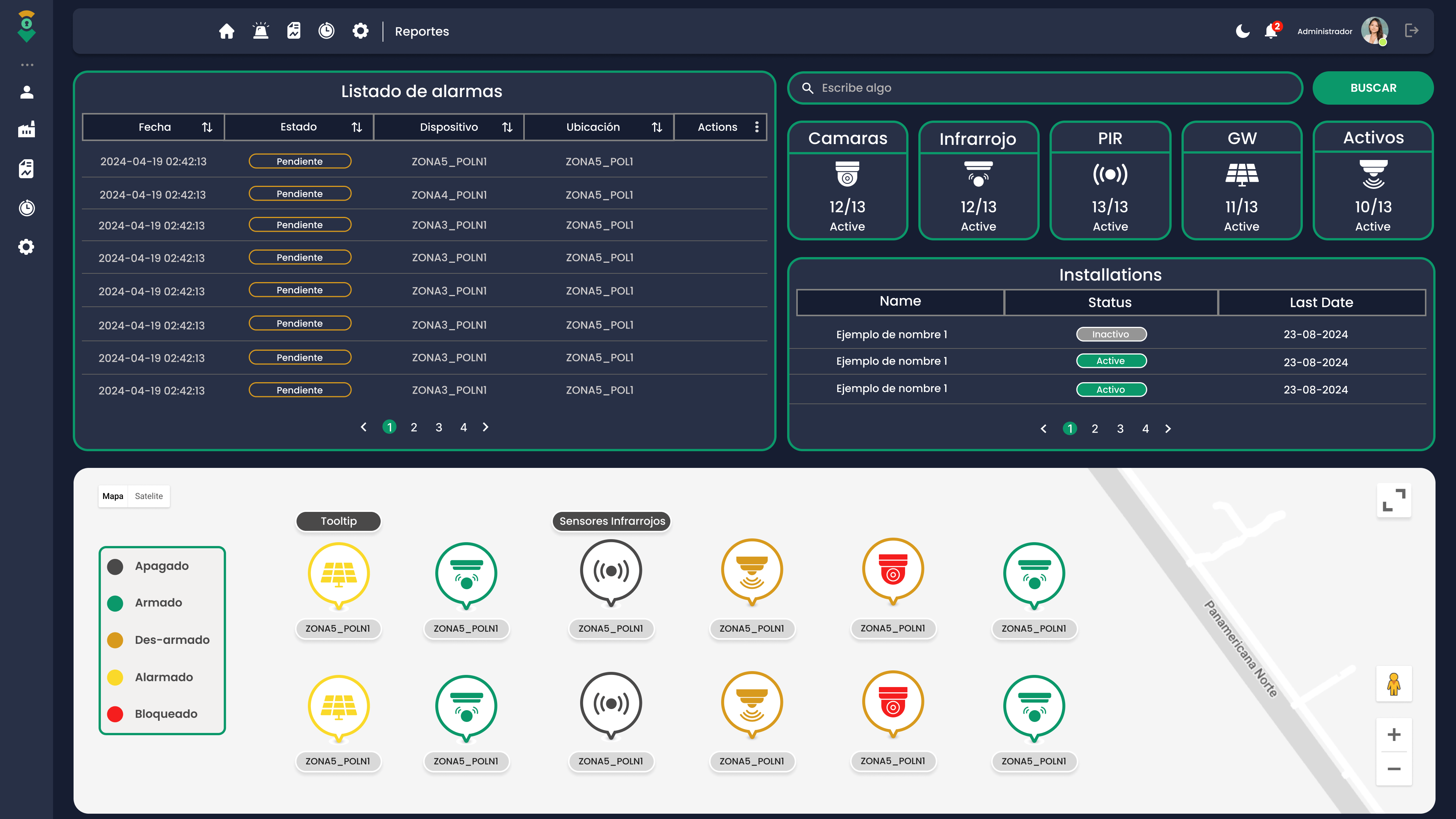
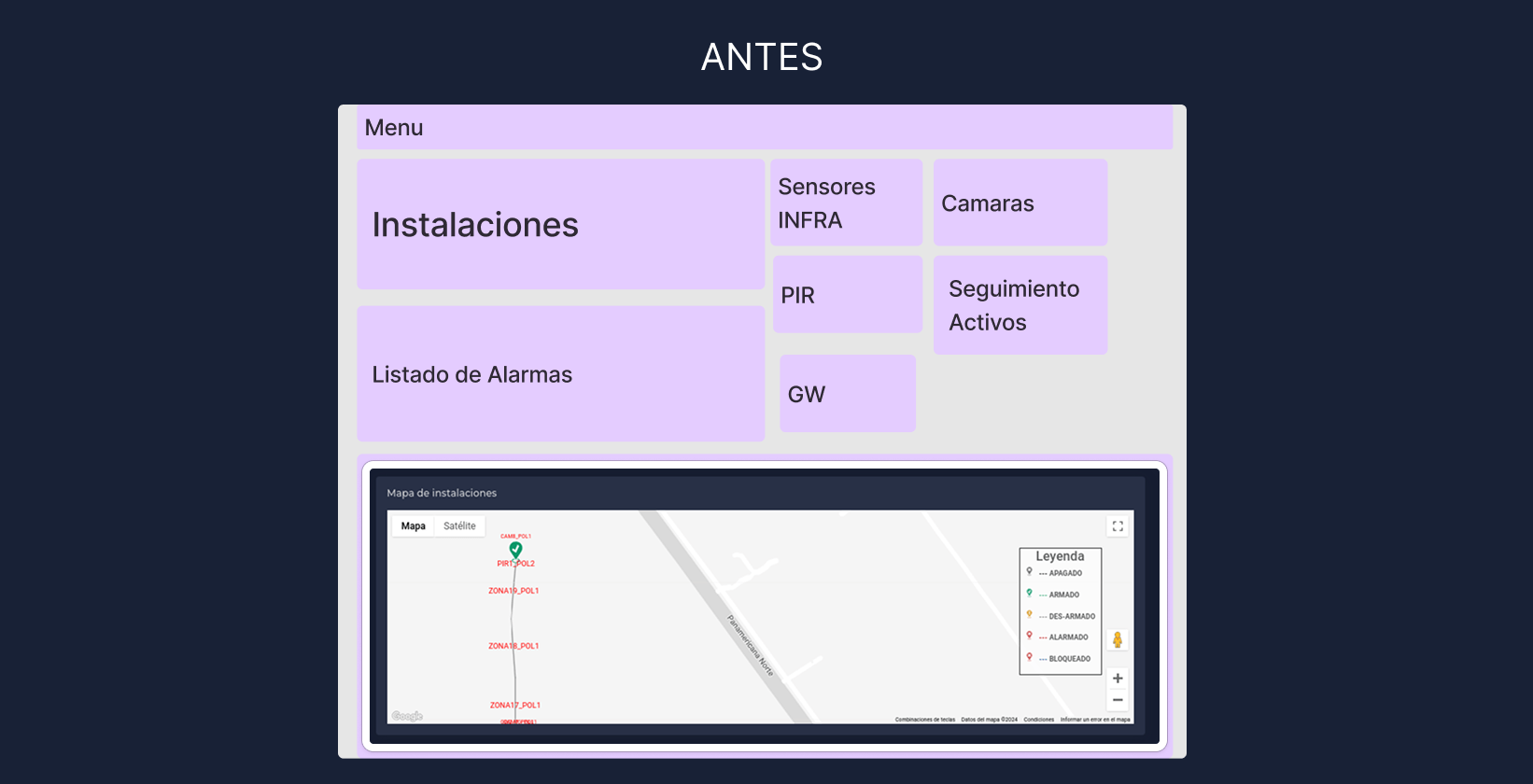
04 / FEATURED CASE STUDY
05 / WHERE IT APPLIES
B2B SAAS
Permissions, settings, and long flows that need to feel simple.
OPERATIONS
Critical information that has to be read and acted on fast.
INTERNAL
Systems your team uses all day and works around by hand today.
AI
Clear states, human oversight, and exception handling.
I design in Figma with component systems. When a flow is hard to evaluate in static screens, I prototype it in code so your team can try it before it's built.
06 / WHAT THE PROCESS LOOKS LIKE
BEFORE WE START
WHAT I DO
I agree with the team on which workflow or module to tackle first.
WITH YOUR TEAM
Product access and one point of contact per role.
PHASE 1
WHAT I DO
I map the system's roles, rules, data, and states.
WITH YOUR TEAM
Model validation with product and engineering.
PHASE 2
WHAT I DO
I redesign and prototype the critical flows.
WITH YOUR TEAM
Flow review with users or stakeholders.
PHASE 3
WHAT I DO
I consolidate components and document the handoff.
WITH YOUR TEAM
Handoff session with engineering.
Important: we define scope and duration together before we start. I recommend someone from engineering joins from phase 1.
07 / WHAT YOU GET
FORMAT
Map of roles, rules, and states + task metrics
WHAT YOU DO WITH IT
Product and engineering work from the same definition, and you know what to measure the redesign against.
FORMAT
Navigation and content structure
WHAT YOU DO WITH IT
Every role finds what it needs without relying on support.
FORMAT
Figma file + clickable or coded prototype
WHAT YOU DO WITH IT
Validate the flows with users and stakeholders before they're built.
FORMAT
Components, tokens, specs, and acceptance criteria
WHAT YOU DO WITH IT
Engineering implements and reuses without reinterpreting the design.
This doesn't include backend development or production deployment. If the scope is a single flow, I consolidate the patterns that flow needs, not a full design system.
08 / ENGAGEMENT MODELS
FIXED-SCOPE PROJECT
One flow or module with a defined goal and roles. It's the most direct way to start.
PHASED PROGRAM
A progressive redesign, module by module, without stalling the team's roadmap.
EMBEDDED IN YOUR TEAM
I join your team as a Senior Product Designer or Growth PM, working the same way.
Format, duration, and investment are defined after an initial conversation about scope.
09 / BEFORE AND AFTER
If the problem is already defined, we start here. If it's still not clear what to solve or what works, we start earlier: the diagnosis defines the problem and the experiment validates the solution.
01 · PRODUCT & GROWTH DIAGNOSIS
If it's still not clear where conversion leaks, the diagnosis finds the cause and the priority.
02 · GROWTH EXPERIMENTS & ACTIVATION
If the solution is still a hypothesis, the experiment validates it with data before the full design.
10 / MORE CASE STUDIES
CONCEPT WITH PROTOTYPE
Exception-based oversight for 50 AI agents: states, escalation, and gradual human control.
WORKING APP · DEMO DATA
Certifications, profiles, and compliance for industrial companies in one B2B platform.
CONCEPT
Three connected profiles (student, guardian, and professional) in a single follow-up process.
11 / NEXT STEP
Tell me which part of the product got hard to use or maintain, and I'll reply with a first take.
Yes. We can focus on a critical workflow, a new capability, or a progressive restructuring.
No. It's a capability I use when a flow needs to be tested in a working prototype before it's built.
Yes, especially when they need clear states, human oversight, exception handling, trust, and traceability.
It depends on the scope. A critical workflow fits in a short cycle; a platform goes in phases. We define it together before we start.
Yes. Besides projects, I'm open to remote senior product and design roles.